

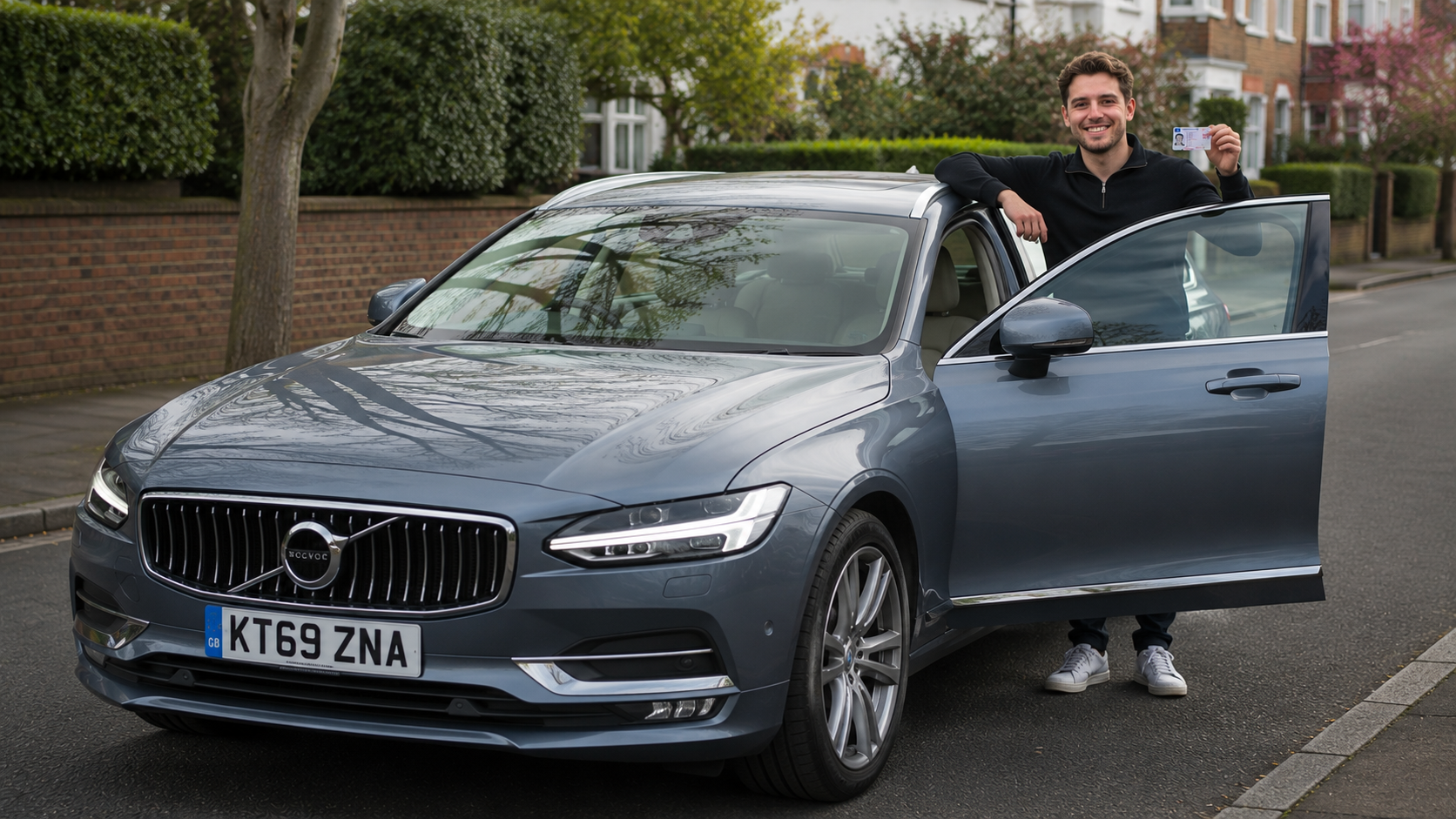
What You Need to Know (Especially If You Moved Here)
Moving to the UK with your own car or van often starts with confidence.
You arrive.
You park.
You admire your familiar vehicle and think:
“Perfect. I’ll just register it.”
And then somebody casually mentions things like DVLA, MOT, V5C, NOVA, vehicle tax, insurance, imports, vehicle approval and left-hand drive conversions…
Suddenly it feels less like registering a car and more like applying for a space programme.
The good news?
It is usually much more manageable than it first appears.
.
First Things First — Can You Simply Bring Your Existing Car?
In many cases: yes.
If you move permanently to the UK and bring your own vehicle, you generally need to register it with the UK authorities if it will remain here permanently. Registration is handled through the DVLA (Driver and Vehicle Licensing Agency).
And here comes one question many people ask immediately:
“My vehicle is left-hand drive — do I need to convert it?”
Usually: no.
A left-hand-drive (LHD) car or van can generally be legally registered and driven in the UK. You do not automatically have to convert it to right-hand drive.
That said, some vehicles may require adjustments to meet UK road requirements.
Typical examples can include:
- headlights suitable for driving on the left
- rear fog light position
- speedometer visibility
- compliance requirements depending on age and origin
Usually the process is much smaller than people expect.
No steering wheel surgery required.
.
The Registration Process — What Actually Happens?
The process depends a little on whether your vehicle is:
- imported permanently
- previously UK registered
- brand new
- used
- modified
But for most imported used vehicles, the journey looks roughly like this.
First, the vehicle arrival has to be declared to HMRC and processed through the NOVA (Notification of Vehicle Arrivals) system. If applicable, VAT or customs charges must be settled first.
Then comes registration with DVLA.
You typically complete the relevant registration forms and provide supporting documents.
Common documents include:
- foreign registration papers
- proof of identity
- proof of vehicle approval (if required)
- purchase invoice or ownership evidence
- MOT evidence where applicable
Imported used vehicles are commonly registered using form V55/5.
There is currently a £55 first registration fee, and the vehicle must also be taxed when registered.
Once approved, DVLA issues the famous V5C logbook.
That little document becomes your vehicle’s official UK identity card.
.
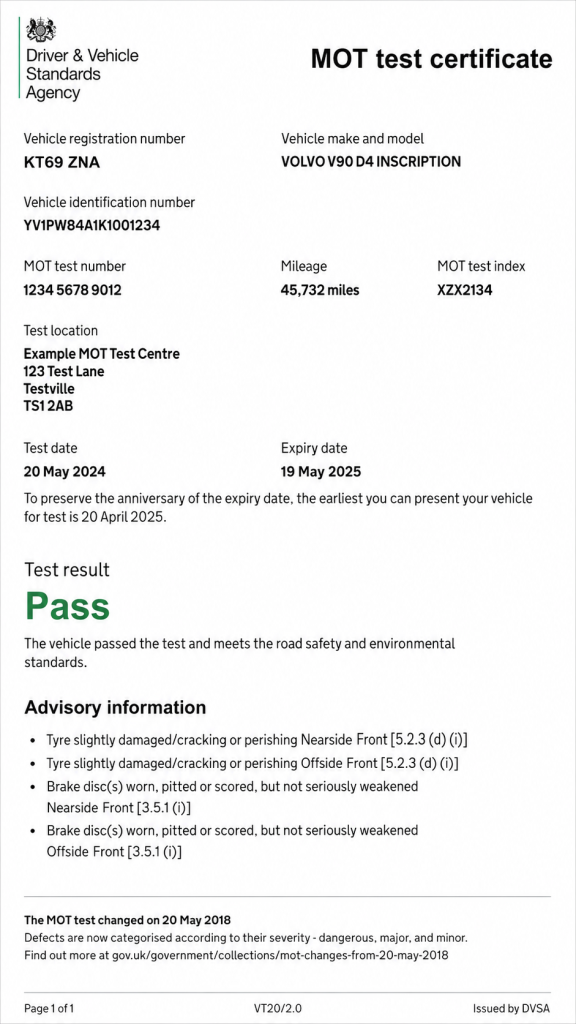
What About MOT?
Now we enter British motoring tradition.
The MOT test.
This is the annual roadworthiness inspection.
Generally speaking:
Vehicles over 3 years old require an MOT to remain road legal in Great Britain.
The MOT checks things like:
- lights
- brakes
- tyres
- suspension
- emissions
- steering
- general safety
It is not a service.
It is not a guarantee.
It is basically the government politely asking:
“Are you absolutely sure this should still be on the road?”
Imported vehicles may require an MOT as part of registration depending on age and circumstances.
.
And Then Comes Vehicle Tax
Be aware, you need a VALID MOT certificate to tax a vehicle. The process is online but the government knows if you have a valid MOT or not and canels taxation if there is no valid MOT.
One thing surprises many newcomers:
Vehicle tax and insurance are separate.
Tax does not insure your car.
Insurance does not tax your car.
And neither replaces an MOT.
Vehicle tax (Vehicle Excise Duty) must generally be active before using the vehicle on public roads. Tax costs vary depending on vehicle type, age, emissions and classification.
.
Insurance — The Part That Sometimes Causes Headaches
Before driving legally, the vehicle must also be insured.
Imported vehicles can sometimes require specialist insurance arrangements during registration.
Do not assume every insurer handles imports or left-hand-drive vehicles automatically.
Shopping around helps.
Once fully registered, insurance becomes much easier.
.
Is Registering a Vehicle Difficult?
Honestly?
Usually not.
It is mostly administration.
People often imagine huge modifications and endless inspections.
Most of the time it is:
paperwork
documents
waiting
more paperwork
and eventually receiving your V5C and UK plates.
The process becomes easier if:
- documents are complete
- the vehicle is standard
- lights and legal requirements already match UK rules
.
Final Thoughts
Before you drive ANY car on UK roads be aware that the vehicle MUST be taxed (no tax without MOT) and insured. only then, after all three are done you can legally drive a car on the road.
Bringing your own car or van to the UK can be absolutely worth it.
You already know the vehicle.
You trust it.
And there is something nice about arriving somewhere new while keeping one familiar thing.
Just remember:
Register it properly.
Check whether small modifications are required.
Get your MOT.
Tax it.
Insure it.
And then enjoy the roads.
Preferably while learning that in the UK, roundabouts are not obstacles.
They are a way of life.