
A Practical Guide for Moving, Applying and Getting Noticed
Moving to Scotland is exciting.
You picture castles, mountains, beautiful coastlines, perhaps a small cottage somewhere with rain tapping gently against the windows.
And then reality arrives and asks a very practical question:
“Right then — and what about work?”
Finding a job in Scotland is absolutely possible, whether you are moving from Germany, Switzerland, Austria or elsewhere — but the process can feel unfamiliar at first because British hiring culture works a little differently.
The good news?
Once you understand the rules of the game, it becomes much easier.
.
First of All — Can You Work in Scotland?
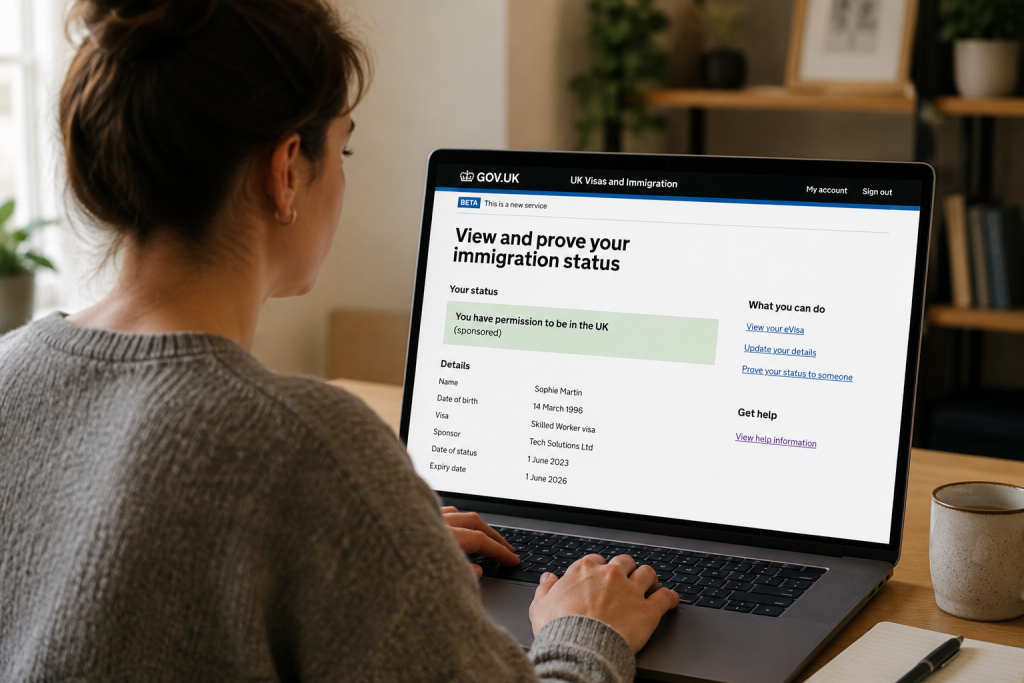
Before sending applications, make sure you understand your right to work in the UK.
Employers will usually want clarity on whether:
- you already have the right to work,
- require visa sponsorship,
- or are relocating with another immigration status.
This is often one of the first screening questions during applications.
Once that part is clear, the actual job search begins.
.
Where Do People Find Jobs in Scotland?
Scotland uses many of the same recruitment channels as the rest of the UK.
The most common places are:
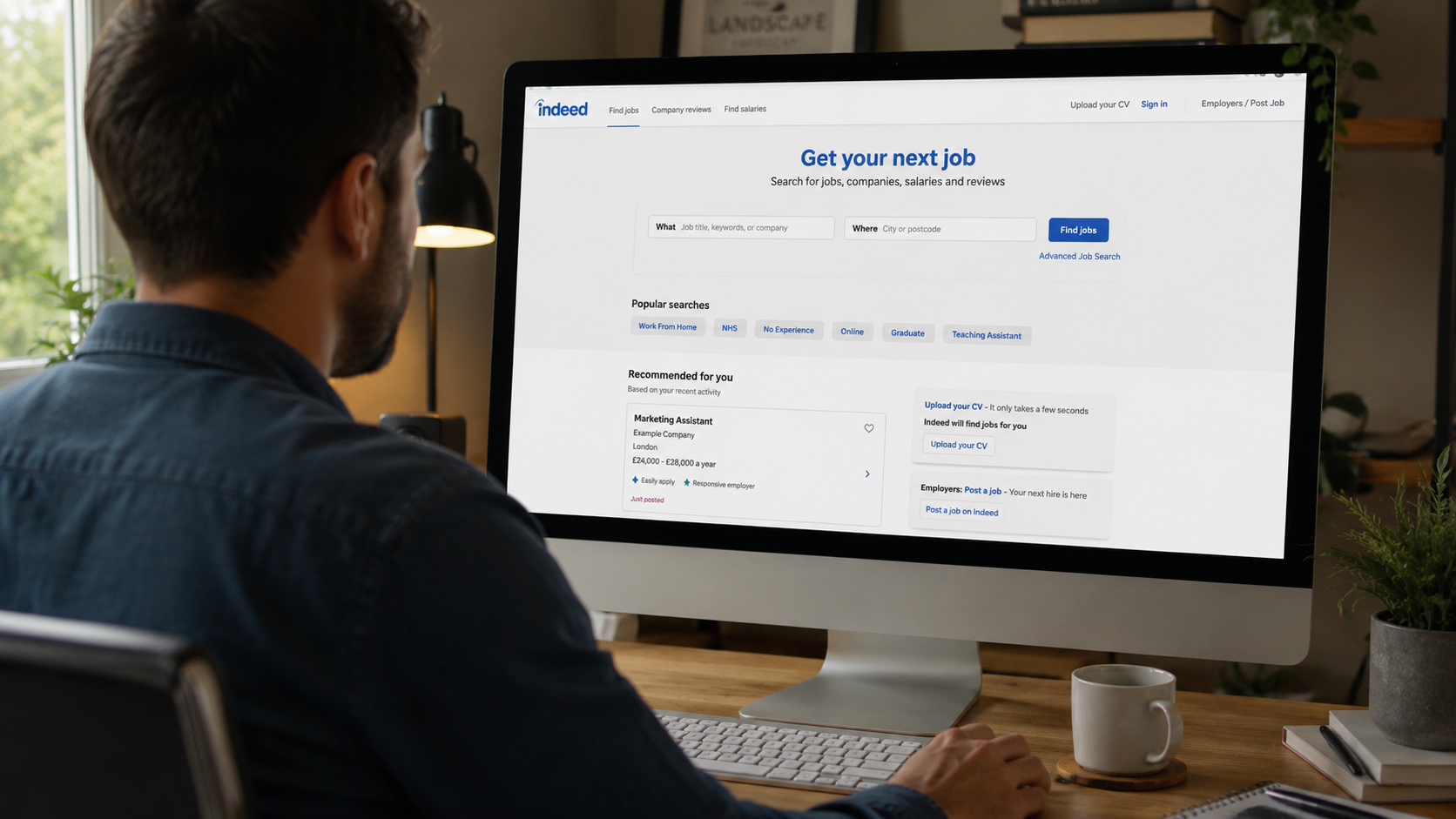
- Indeed UK
- company career websites
- specialist recruiters
- local recruitment agencies
- sector-specific job boards
- public sector recruitment portals
- networking and referrals
For Scotland specifically, local job portals and recruiter databases can also help because recruiters actively search uploaded CVs.
One thing surprises many newcomers:
A large number of jobs never appear publicly for very long.
Networking, recruiters, and direct applications often matter more than endlessly clicking “Apply”.
.
Your CV — This Is Where Many European Applicants Lose Opportunities
If you are applying from Germany, Austria or Switzerland, this part matters.
Because a German-speaking CV often looks very different from a British one.
Many people send a perfectly normal German CV to UK employers…
…and accidentally make themselves look unusual.
Not because they lack qualifications.
Because the format feels unfamiliar.
.
Germany / Austria / Switzerland vs UK — What Changes?
In Germany, Austria and sometimes Switzerland, it is common to include:
📷 A photo
🎂 Date of birth
🏠 Full address
💍 Marital status
🌍 Nationality
In the UK?
Usually don’t.
UK employers generally expect a much simpler and more private format.
A typical UK CV usually includes:
- Name
- Mobile number
- Email address
- Optional LinkedIn
- Short personal profile
- Work experience
- Education
- Skills
And that’s largely it.
No portrait photo.
No age.
No family details.
No detailed personal profile section.
UK CVs are usually around two pages and focus strongly on achievements and outcomes rather than responsibilities alone.
Instead of writing:
Responsible for customer support.
British recruiters prefer:
Managed customer enquiries and improved response times by 25%.
Same work.
Different presentation.
.
Do I Need a UK Address?
Short answer:
No.
You can apply using a German, Swiss or Austrian address. But the UK address is always advisable, as long as you are already living in the UK or shorty available. If you never have been in the UK, don’t use a UK address, that could cause issues and confusion.
Many people secure jobs before moving.
In fact, some candidates now leave their address off entirely and simply state:
“Currently based in Germany / Switzerland / Austria — relocating to Scotland.”
If you already know where you will move, mentioning your intended location can help.
The important thing is clarity.
Do not create the impression you already live locally if you do not.
Instead write something like:
Location: Germany (relocating to Scotland)
That removes uncertainty.
.

Do I Need a UK Phone Number?
Again:
Not necessarily. But very helpful. My own experience showed that a UK mobile phone number will be more likely accepted by employers. Often interviews will be held via MS Teams or ZOOM instead of using the mobile phone.
A German, Swiss or Austrian mobile number is acceptable.
But practically speaking…
having a UK number can sometimes reduce friction during recruitment because employers may assume faster availability and easier contact. Community experiences suggest that recruiters often care more about work eligibility and relocation plans than the actual number itself.
A good compromise is:
☎ +49 / +41 / +43 number
📍 mention relocation plans clearly
💬 note that WhatsApp and video interviews are available
That is usually enough.
.
Should I Write a Cover Letter?
In Scotland and the UK:
Yes — when requested.
But keep it shorter than in German-speaking countries.
British cover letters are usually direct.
Explain:
- why this role
- why this company
- why you fit
- when you could start
One page is normally enough.
No life story required.
.
A Small Scottish Job Search Survival Guide
A few things that help:
✅ Adapt your CV to every application
✅ Use UK spelling (organisation, programme, specialise)
✅ Apply directly to company websites when possible
✅ Connect with recruiters
✅ Be patient
✅ Expect silence sometimes — it is normal
Scottish employers are often friendly and practical.
You do not need to become someone else.
You simply need to translate your experience into a format they recognise.
.
Final Thoughts
Finding a job in Scotland is usually not about changing who you are.
It is about making it easy for employers to understand you.
Use a UK-style CV.
Be clear about relocation.
Explain your work rights honestly.
And keep applying.
At some point, one interview turns into a conversation.
One conversation turns into an offer.
And suddenly Scotland stops being a plan.
It becomes home.