

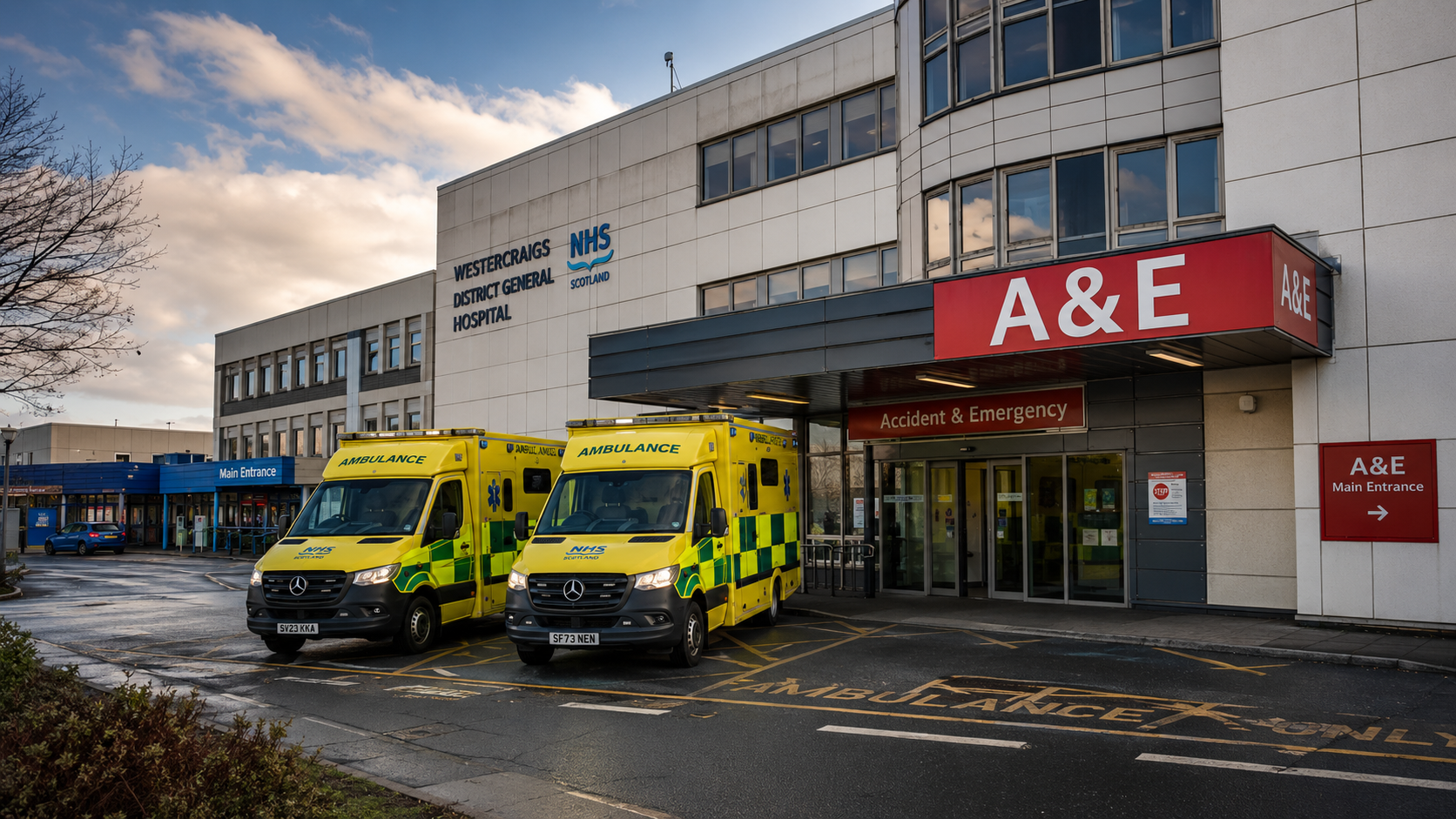
Types, Services, Capacity and the Current Healthcare Landscape
By Adventure Scotland
Scotland’s healthcare system is built around the principles of universal access and free treatment at the point of use through the National Health Service Scotland (NHS Scotland). The country’s hospitals form a complex network of facilities ranging from small community hospitals in remote Highland villages to large teaching hospitals that provide highly specialised care for thousands of people.
With an ageing population, increasing demand for healthcare services, and continuing pressures on staffing and capacity, Scottish hospitals are undergoing significant changes. This article explores the different types of hospitals in Scotland, the departments they offer, and the challenges and opportunities facing the healthcare system today.
.
The Scottish Hospital System at a Glance
NHS Scotland serves a population of approximately 5.5 million people and is divided into fourteen regional health boards and several national special health boards.
The hospital network consists of:
- Major teaching hospitals
- District general hospitals
- Rural general hospitals
- Community hospitals
- Specialist hospitals
- Mental health hospitals
Together, these facilities provide emergency care, routine treatments, specialist surgery, rehabilitation, and long-term care services.
.
Major Teaching Hospitals
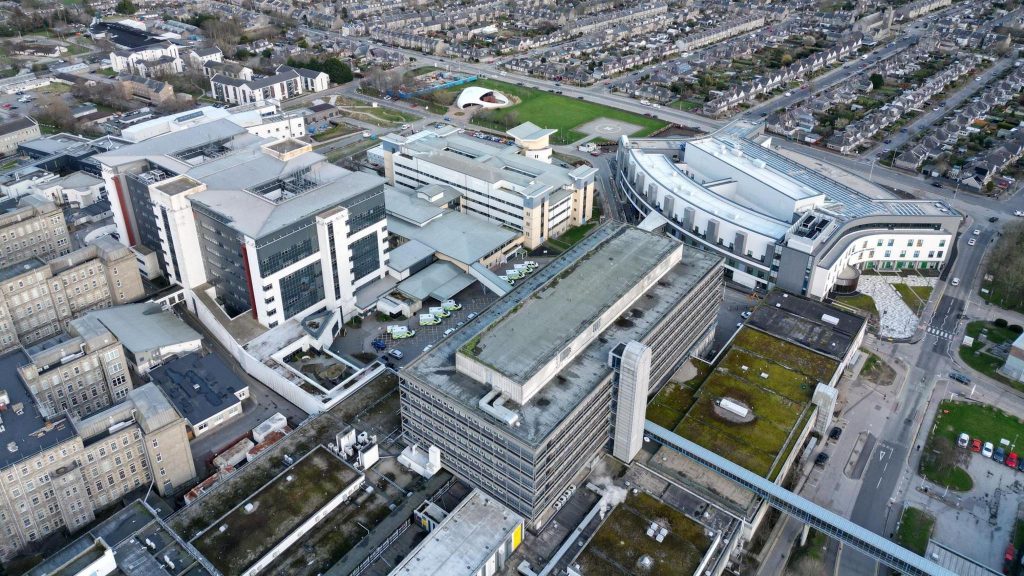
Teaching hospitals are the largest and most advanced healthcare facilities in Scotland. They are affiliated with universities and play an important role in:
- Medical education
- Clinical research
- Specialist treatment
- Training of doctors, nurses and healthcare professionals
Examples
- Queen Elizabeth University Hospital, Glasgow
- Royal Infirmary of Edinburgh
- Ninewells Hospital, Dundee
- Aberdeen Royal Infirmary
Departments Typically Found
Emergency and Acute Care
- Accident & Emergency (A&E)
- Intensive Care Unit (ICU)
- High Dependency Unit (HDU)
- Trauma services
Medical Specialities
- Cardiology
- Respiratory Medicine
- Gastroenterology
- Neurology
- Endocrinology
- Rheumatology
- Infectious Diseases
Surgical Specialities
- General Surgery
- Orthopaedics
- Neurosurgery
- Vascular Surgery
- Plastic Surgery
- Urology
- Cardiothoracic Surgery
Women’s and Children’s Services
- Obstetrics and Maternity
- Gynaecology
- Neonatal Intensive Care
- Paediatrics
Diagnostic Services
- Radiology
- MRI and CT Imaging
- Nuclear Medicine
- Pathology Laboratories
Cancer Services
- Oncology
- Chemotherapy
- Radiotherapy
- Haematology
Teaching hospitals also host some of Scotland’s most specialised services, including organ transplantation, major trauma care, and advanced cancer treatment.
.
District General Hospitals (DGHs)
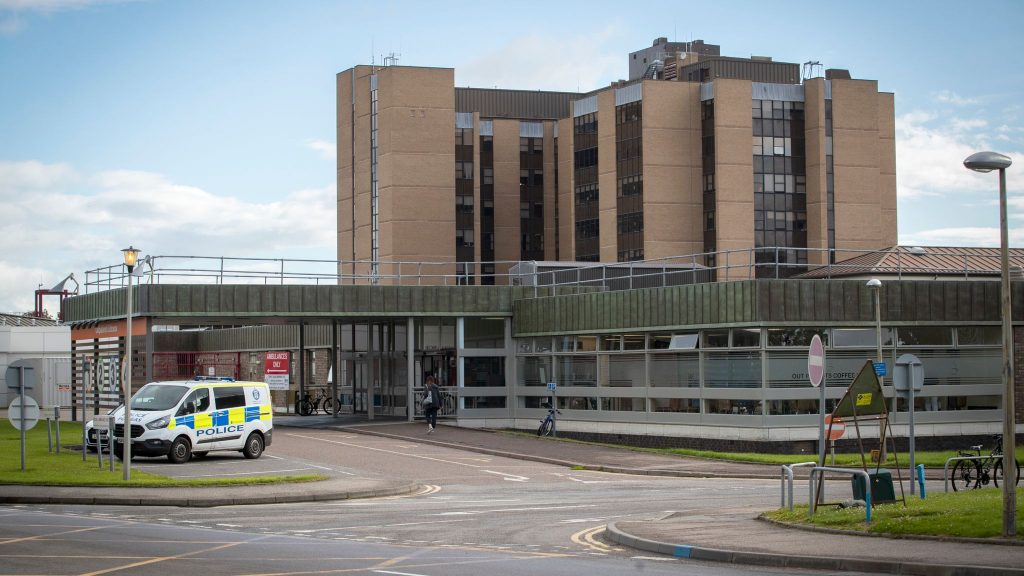
District General Hospitals are the backbone of hospital care across Scotland.
They serve regional populations and provide a broad range of services, although they may not offer the highly specialised treatments available in teaching hospitals.
Examples
- Raigmore Hospital, Inverness
- Dr. Grays Hospital, Elgin
- Forth Valley Royal Hospital, Larbert
- Victoria Hospital, Kirkcaldy
Typical Departments
- Emergency Department (A&E)
- General Medicine
- General Surgery
- Orthopaedics
- Maternity Services
- Paediatrics
- Intensive Care (often only as a HDU not an ICU)
- Diagnostic Imaging
- Outpatient Clinics
- Rehabilitation Services
Patients requiring complex specialist treatment may be transferred to larger teaching hospitals.
.
Rural General Hospitals
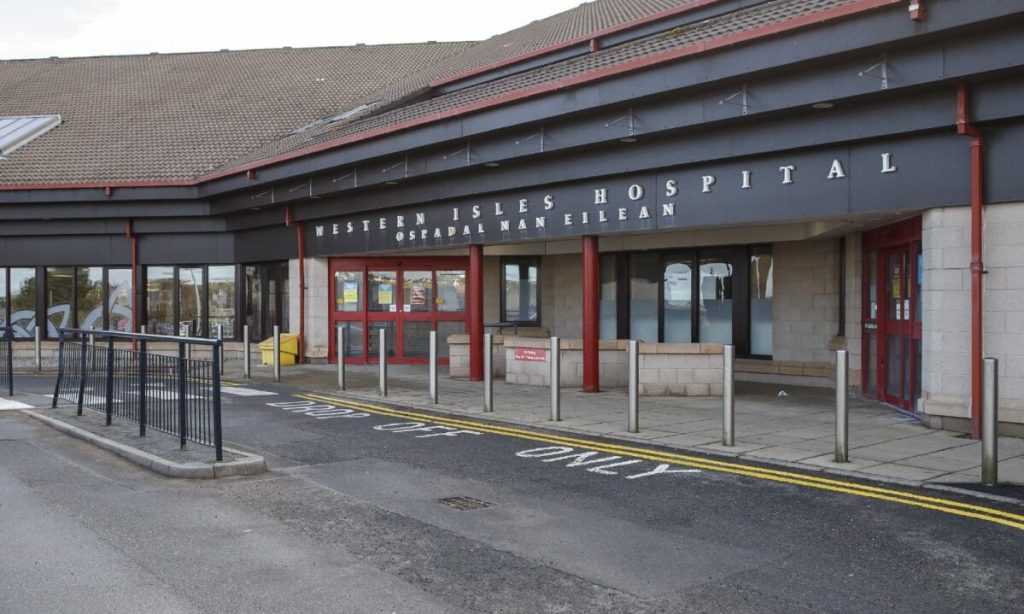
Scotland’s geography creates unique healthcare challenges. Large parts of the Highlands and Islands are remote and sparsely populated.
Rural General Hospitals ensure that residents have access to essential healthcare without travelling hundreds of miles.
Examples
- Western Isles Hospital
- Belford Hospital, Fort William
- Gilbert Bain Hospital, Shetland
Services Offered
- Emergency Care
- Minor Surgery
- Medical Wards
- Maternity Services
- Diagnostic Imaging
- Outpatient Clinics
Because of smaller populations, some specialist services are delivered through visiting consultants or telemedicine.
.
Community Hospitals
Community hospitals play an increasingly important role in healthcare delivery.
These facilities focus on care closer to home and reduce pressure on major hospitals.
Services Typically Include
- Rehabilitation
- Physiotherapy
- Occupational Therapy
- Elderly Care
- Palliative Care
- Minor Injury Units
- Step-down Care after major surgery
- Outpatient Services
Many community hospitals do not have full emergency departments or major operating theatres.
.
Specialist Hospitals
Some hospitals are dedicated to specific medical conditions or patient groups.
Examples
Children’s Hospitals
- Royal Hospital for Children, Glasgow
- Royal Hospital for Children and Young People, Edinburgh
Orthopaedic Hospitals
- Golden Jubilee University National Hospital
Cancer Centres
- Beatson West of Scotland Cancer Centre
Eye Hospitals
- Princess Alexandra Eye Pavilion
Cardiothoracic Centres
- Golden Jubilee University National Hospital
Specialist hospitals often receive referrals from across Scotland.
.
Mental Health Hospitals
Mental health services form an essential part of Scotland’s healthcare system.
These hospitals provide treatment for:
- Severe depression
- Anxiety disorders
- Eating disorders
- Dementia
- Addiction
- Psychiatric emergencies
Departments can include:
- Acute psychiatric wards
- Older adult psychiatry
- Child and adolescent services
- Addiction units
- Rehabilitation services
.
Typical Hospital Departments in Scotland
| Department | Community Hospital | District General Hospital | Teaching Hospital |
|---|---|---|---|
| A&E | Limited | Yes | Yes |
| Intensive Care | No | Yes (often only HDU) | Yes |
| General Surgery | Limited | Yes | Yes |
| Orthopaedics | Limited | Yes | Yes |
| Neurosurgery | No | No | Yes |
| Cardiac Surgery | No | Limited | Yes |
| Cancer Centre | No | Limited | Yes |
| Maternity | Limited | Yes | Yes |
| Paediatrics | Limited | Yes | Yes |
| Rehabilitation | Yes | Yes | Yes |
| Diagnostic Imaging | Basic | Comprehensive | Advanced |
.
Hospital Capacity in Scotland
Scottish hospitals collectively operate several thousand inpatient beds, but capacity has been under increasing pressure for many years.
Factors Affecting Capacity
Ageing Population
- Ageing Population ==> Scotland has a growing elderly population with complex healthcare needs.
- Emergency Admissions ==> Demand for emergency care continues to rise, particularly during winter.
- Delayed Discharges ==> Patients who are medically fit to leave hospital sometimes remain due to shortages in social care or care home placements.
- Staffing Challenges ==> Recruitment and retention of doctors, nurses and allied health professionals remains difficult in some regions, particularly rural areas.
.
Current Challenges Facing Scottish Hospitals
Long Waiting Times
Many hospitals continue to experience long waiting lists for:
- Elective surgery
- Orthopaedic procedures
- Diagnostic tests
- Outpatient appointments
.
Emergency Department Pressures
Emergency departments frequently experience high demand and increased waiting times during periods of peak activity.
.
Rural Healthcare Challenges
Providing specialist services to remote communities remains difficult due to:
- Geography
- Smaller populations
- Recruitment difficulties
- Long travel distances
.
Infrastructure Pressures
Some hospital buildings require modernisation and investment to meet future healthcare needs.
.
The Future of Scottish Hospitals
Healthcare in Scotland is increasingly focused on:
.
More Care in the Community
Reducing unnecessary hospital admissions.
.
Digital Healthcare
Expansion of telemedicine and remote consultations.
.
Integrated Health and Social Care
Closer collaboration between hospitals, social services and community care providers.
,
Modernisation of Facilities
Investment in hospital buildings, equipment and digital systems.
.
Conclusion
Scotland’s hospitals provide an extensive range of services, from small community rehabilitation centres to world-class teaching hospitals offering highly specialised treatments.
Despite significant challenges including increasing demand, workforce shortages and capacity pressures, the Scottish hospital system continues to deliver comprehensive healthcare to millions of people every year.
The future of healthcare in Scotland will likely depend on a balanced approach that combines modern hospital services with stronger community care, improved digital health solutions and continued investment in staff and infrastructure.
Author’s Note: Scotland’s hospital network remains one of the country’s most important public services, providing universal healthcare regardless of income or location and continuing to adapt to the changing needs of its population.