

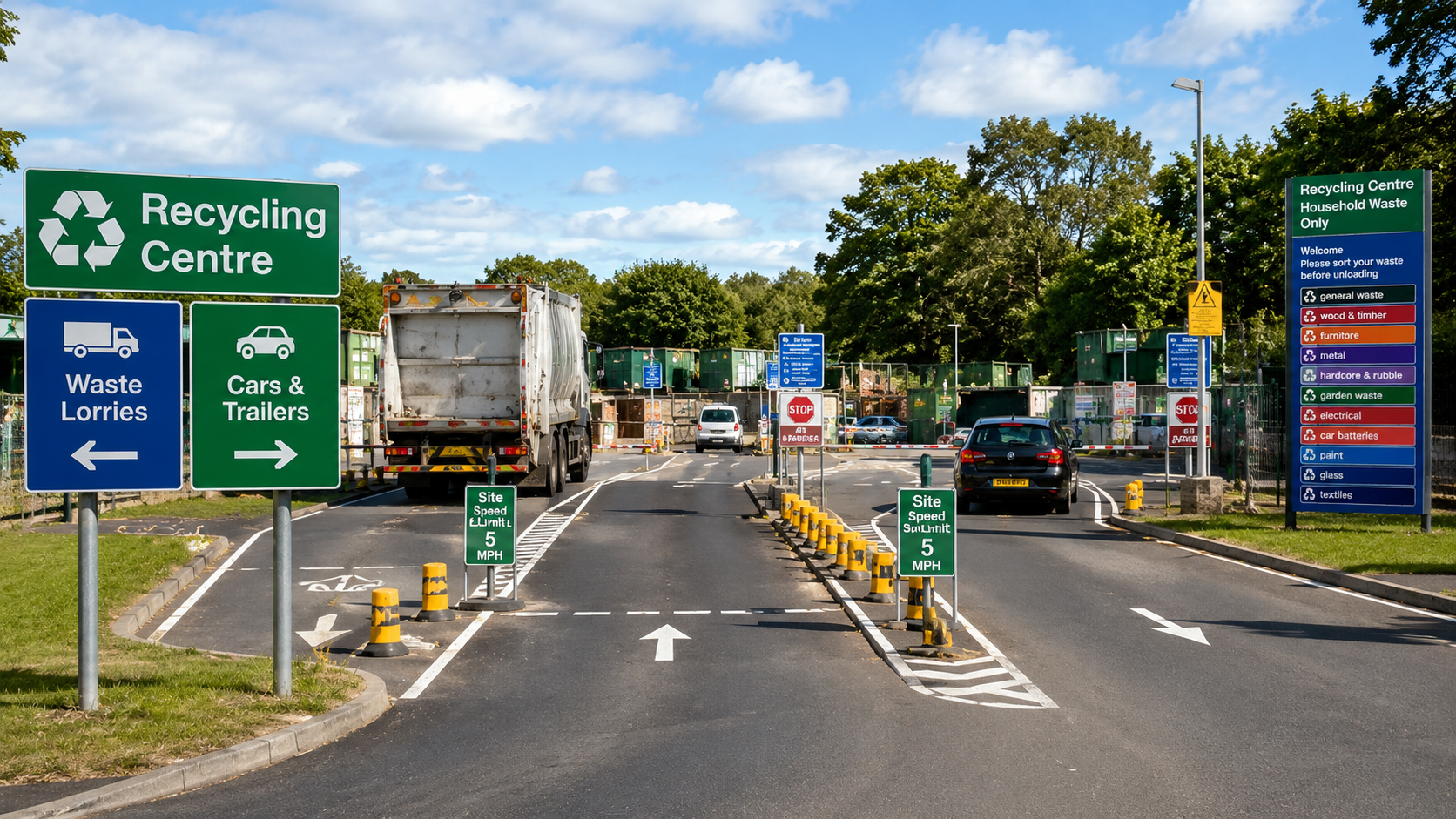
Glass, Cardboard, Plastic, Recycling Centres and Charity Shops Explained
Moving to the UK often comes with a surprise: recycling systems can vary significantly between councils, and they often work differently from the highly structured systems found in Germany, Austria and Switzerland.
While the UK has made major progress in recycling over the past two decades, there are still noticeable differences in collection systems, plastic recycling rates and public participation compared with some European countries.
This guide explains how recycling works in the UK, what can and cannot be recycled, how recycling centres operate, and how charity shops help keep millions of items out of landfill each year.
.
How Recycling Works in the UK
Here for the Moray Council area, this might be slightly different for other Councils. Most households receive separate bins from their local council.
Typical household bins include:
General Waste Bin
Typically a large (240 litre) green wheelie bin for items that cannot be recycled. By request the bin can be exchanged into a medium sized 180 litre wheelie bin or a XL with 360 litre (for households with 6+ residents)..
.
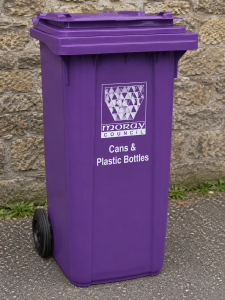
Cans & Plastic Bottles
YES please
- ✅ Drinks cans
- ✅ Plastic drink bottles & containers (types PET 1, HDPE 2 & PP5). The plastic type code can be found embossed on or near the base of the plastic bottle.
- ✅ Food tins
- ✅ Foil food trays
- ✅ Clean tin foil
- ✅ Aerosols
- ✅ Metal bottle tops
- ✅ Metal jar lids
- ✅ Plastic bottles
- ✅ Plastic containers
- ✅ Tablet & Medicine bottles
- ✅ Yogurt & Margarine tubs (please rinse)
NO thanks
- 🚫 Plastic bags
- 🚫 Plastic toys
- 🚫 Oil & paint tins
.
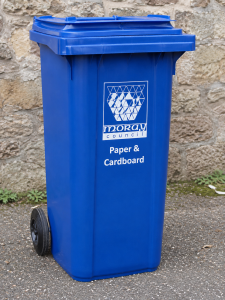
Paper / Cardboard Bin
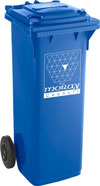
Typically a small (140 litre) blue wheelie bin.
YES please
- ✅ Newspapers & magazines
- ✅ Phone books & yellow pages
- ✅ Cardboard boxes and packaging
- ✅ Beverage cartons
- ✅ Envelopes (inc.window envelopes)
- ✅ Letters and unwanted mail
- ✅ Scrap & shredded paper
NO thanks
- 🚫 Plastic bags
- 🚫 Plastic bottles
- 🚫 Polystyrene
- 🚫 Crisp packets
- 🚫 Padded envelopes
- 🚫 Tissues
- 🚫 Metallic wrapping paper
- 🚫 Food contaminated paper/card
- 🚫 Used wallpaper
- 🚫 Painted paper/card
.
Glass Recycling
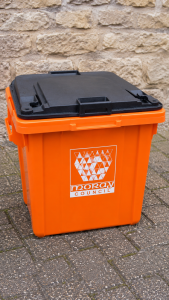
Some councils collect glass from homes, often in orange bins with lid or green bags
Others require residents to use local bottle banks.
YES please
- ✅ Glass bottles (clear, green, brown)
- ✅ glass jars (rinsed, with lids removed).
NO thanks
- 🚫 Pyrex
- 🚫 ceramics
- 🚫 broken mirrors/window glass
- 🚫 drinking glasses, crystal, or light bulbs (metal lids should go in your purple bin)
.
Food Waste Bin
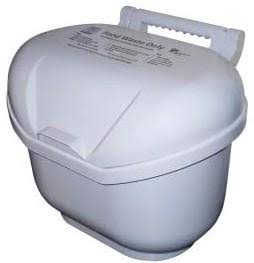
Many councils now provide food waste collection, little grey containers with a lid to place on the worktop
YES Please
- ✅ All food types: Raw or cooked meat, fish (including bones), and shellfish
- ✅ Dairy & Bakery: Cheese, eggs (including shells), bread, cakes, and pastries
- ✅ Leftovers: Plate scrapings, leftover takeaways, and out-of-date or mouldy food
- ✅ Basics: Fruit and vegetables (including peelings), beans, pasta, rice, and cereals
- ✅ Liquids & Grounds: Tea bags, coffee grounds, and hardened fats or cooking oils
- ✅ Miscellaneous: Pet food
NO Thanks
- 🚫 Other wastes: No dog poo, soil, rubble, root balls, or general household refuse
- 🚫 Packaging of any sort: No plastic bags, plastic film, foil, or cling film
- 🚫 Liquids alone: Do not pour loose liquids directly into the bin
.
Garden Waste Bin
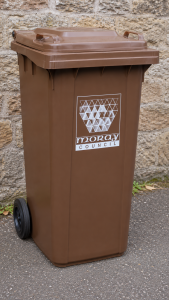
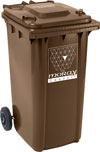
Typically a 180 litre or 240 litre brown wheelie bin. Often available as a paid subscription service, in Moray you have to buy a permission (you get a sticker with the valid year which goes onto the bin)
Yes please
- ✅ Grass Cuttings
- ✅ Leaves & small branches
- ✅ Plants & weeds
- ✅ Hedge trimmings
- ✅ ALL food waste
NO thanks
- 🚫 Dog Fouling
- 🚫 Used cat litter
- 🚫 Plastics
- 🚫 Root balls
- 🚫 Rubble or Stones
- 🚫 Soil, turf or sods
- 🚫 Blocks of wood
.
Recycling Rates in the UK
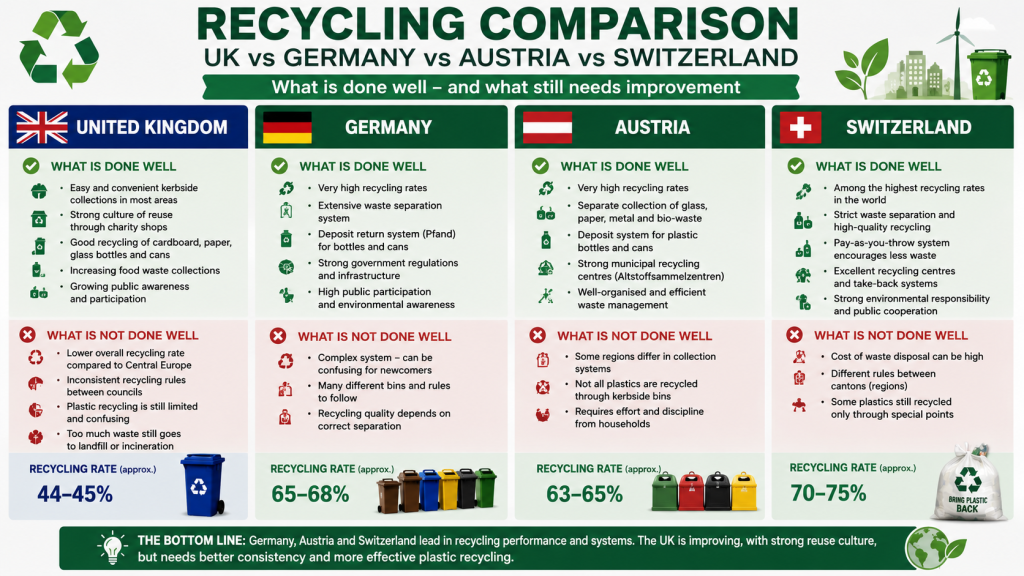
The UK currently recycles around 44-45% of household waste.
This is respectable by international standards but generally lower than:
- Germany
- Austria
- Switzerland
Countries such as Germany regularly achieve recycling rates exceeding 65%.
.
Glass Recycling
Glass is one of the easiest materials to recycle.
Usually Accepted
- Wine bottles
- Beer bottles
- Soft drink bottles
- Food jars
Usually Not Accepted
- Drinking glasses
- Pyrex dishes
- Mirrors
- Window glass
- Ceramics
These materials have different melting properties and can contaminate recycling batches.
What Happens to Recycled Glass?
Glass can be recycled almost indefinitely.
It is crushed into “cullet” and melted to create:
- New bottles
- New jars
- Construction materials
.
Cardboard and Paper Recycling
Cardboard is one of the UK’s recycling success stories.
Commonly Accepted
- Delivery boxes
- Newspapers
- Magazines
- Office paper
- Cereal boxes
Often Rejected
- Greasy pizza boxes
- Food-contaminated cardboard
- Wax-coated paper products
A clean Amazon delivery box is ideal for recycling.
A pizza box soaked in grease usually is not.
.
Plastic Recycling
Plastic remains one of the biggest challenges.
Usually Accepted
- Water bottles
- Milk bottles
- Soft drink bottles
- Shampoo bottles
- Household cleaning containers
Sometimes Accepted
- Yoghurt pots
- Margarine tubs
- Food trays
Often Not Accepted
- Plastic film
- Crisp packets
- Sweet wrappers
- Black plastic trays
- Mixed-material packaging
Many people are surprised that a large proportion of plastic packaging still cannot be recycled through normal household collections.
.
Why Plastic Recycling Is Difficult
Unlike glass or metal, plastic comes in many forms.
Examples include:
- PET
- HDPE
- LDPE
- PP
- PS
Each requires different processing methods.
Mixed plastics are expensive and difficult to separate.
This is one reason Germany and some EU countries generally outperform the UK in plastic recycling.
.
How Does the UK Compare with Germany, Austria and Switzerland?
.
Recycling Centres (Tips)
Every council operates one or more recycling centres.
These are often called:
- Recycling Centres
- Household Waste Recycling Centres (HWRCs)
- Local Tips
Despite the nickname, they are much more than simply rubbish dumps.
.
What Can Be Taken to a Recycling Centre?
Items include:
- Furniture
- Mattresses
- Garden waste
- Electronics
- Fridges
- Washing machines
- Wood
- Metal
- Batteries
- Paint
- Rubble
Many items unsuitable for kerbside recycling can be processed there.
.
Reuse Shops at Recycling Centres
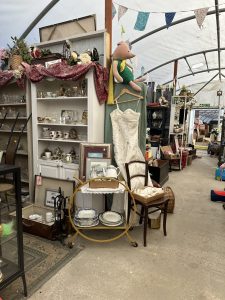
An increasingly popular feature is the reuse shop.
Items that remain usable are diverted from waste streams and sold at very low prices.
Typical items include:
- Furniture
- Tools
- Bicycles
- Toys
- Books
- Kitchen equipment
A dining table worth hundreds of pounds may sometimes sell for £20-£30.
These schemes reduce waste while helping people save money.
.
Charity Shops
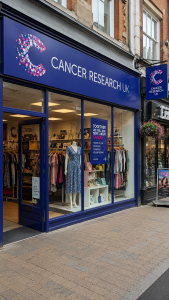
One of the most distinctive parts of British recycling culture is the charity shop.
These shops accept donated items and sell them to support charitable causes.
Examples include:
- British Heart Foundation
- British Red Cross
- Cancer Research UK
- Oxfam
- Barnardo’s
- Highland Hospice
- PDSA (People’s Dispensary for Sick Animals)
- Chest, Heart and Stroke Scotland
.
What Can Be Donated?
Common donations include:
- Clothing
- Books
- DVDs
- Furniture
- Toys
- Homeware
- Electrical items
Many charity shops now professionally test and refurbish items before sale.
.
Why Charity Shops Matter
Millions of items are diverted from landfill every year through charity shops.
Benefits include:
- ✅ Reduced waste
- ✅ Lower carbon emissions
- ✅ Affordable goods
- ✅ Support for charities
- ✅ Promotion of reuse culture
Many people moving to the UK are surprised by how popular second-hand shopping is.
.
The Growing Circular Economy
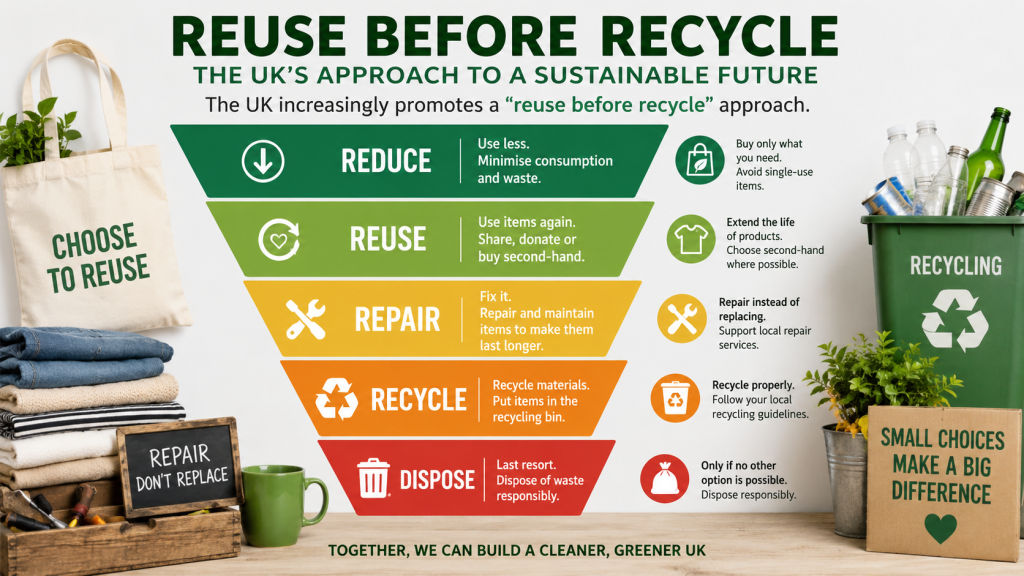
The UK increasingly promotes a “reuse before recycle” approach.
The idea is simple:
A table sold in a charity shop is better than recycling it.
A repaired bicycle is better than scrapping it.
A reused smartphone is better than melting it down.
.
Challenges Facing the UK
Despite improvements, several challenges remain.
Plastic Waste
Still a major problem.
Regional Differences
Rules vary between councils.
Public Confusion
Different collection systems create uncertainty.
Exported Waste
Historically some recyclable waste was exported overseas for processing.
.
Is the UK Good at Recycling?
The answer is mixed.
The UK performs reasonably well compared with many countries worldwide but generally trails behind Germany, Austria and Switzerland in household recycling performance.
However, the UK excels in:
- Charity shop culture
- Reuse schemes
- Community recycling initiatives
- Circular economy projects
Many experts argue that Britain’s reuse culture is one of its greatest environmental strengths.
.
Final Thoughts
Recycling in the UK combines household collections, recycling centres, reuse shops and an extensive network of charity shops. While recycling rates generally remain lower than those achieved in Germany, Austria and Switzerland, the UK has developed a strong culture of reuse that helps keep millions of usable items out of landfill.
For newcomers, understanding what can and cannot be recycled, how local council collections work, and how charity shops fit into the system can make living in the UK much easier while also helping to reduce environmental impact.