

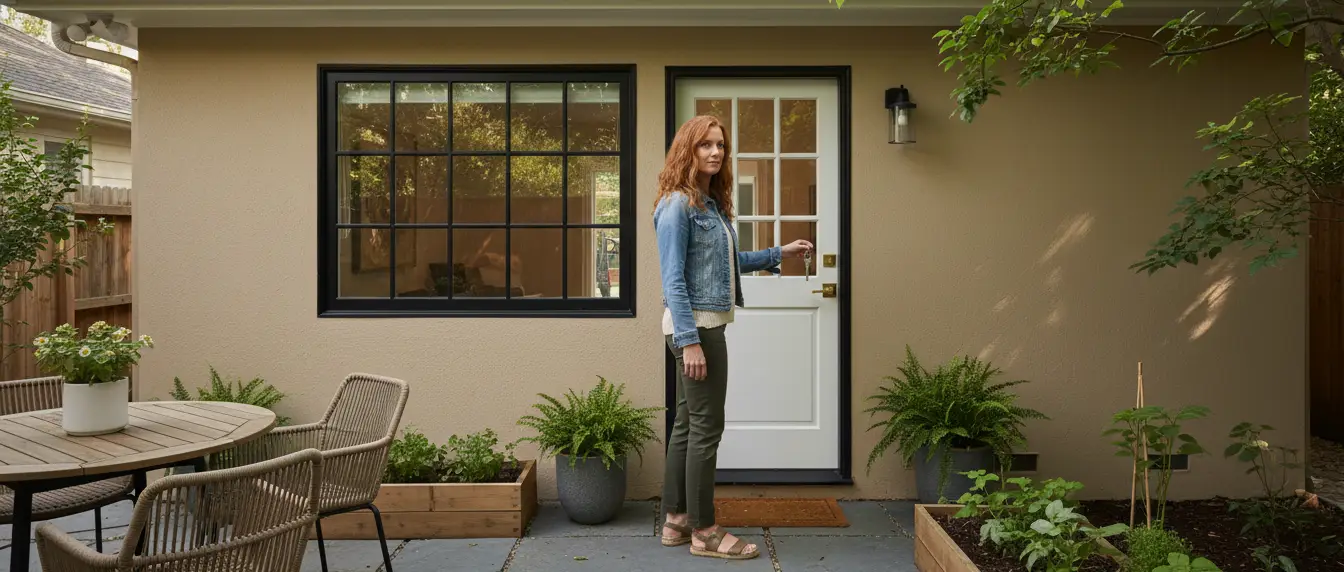
I hope you are all well. I guess you are here to find out about renting a flat / house in Scotland. I will give some information away, just basic information since it comes down a bit to individual agreements as well. I also will state some laws (I just quote them) and some advice.
I want to make clear that I’m not a solicitor, lawyer or in any way educated in law, law procedures or behaviours so please be aware that this are just advises, info and hints by me except the legal quotes which will be marked as those.
There are various ways to find a property to rent in Scotland. First, you must decide what you are looking for, shared living, flat or house? These are differences that can make a huge impact on how you live and what you might be paying.
Shared Living Continues to be Popular in the U.K.
Shared living remains one of the most common housing options in the UK, particularly among working professionals, recent immigrants, and young adults leaving the parental home for the first time.
There are generally two main forms of shared accommodation. The most widespread arrangement involves a “live-in landlord”, where the property owner lives in the same flat or house as the tenant. In these situations, tenants typically rent a private bedroom while sharing facilities such as the kitchen, bathroom, and, where available, outdoor areas like gardens. Some landlords may also provide separate fridge space for tenants, while living rooms are often reserved for the landlord’s personal use.
The second arrangement involves properties without a live-in landlord. In these shared homes, communal living areas may either remain shared spaces for tenants or, in some cases, be converted into additional bedrooms if the property layout allows it.
Online platforms have become the primary way for people to search for shared accommodation. SpareRoom is widely regarded as one of the UK’s most commonly used services, offering both a website and mobile app with location-based searches. Other popular methods include Facebook Marketplace, local newspaper listings, and property portals operated by larger estate agencies.
Choosing Between a Flat or House:
Key Differences for Renters and Buyers

People searching for a home in Scotland are often faced with an important decision: whether to choose a flat or a house. The choice can significantly affect costs, privacy, outdoor space, and accessibility.
Flats are available in several forms, including apartments and maisonettes, and are commonly found in buildings ranging from small rural properties with two to four homes to large city towers containing dozens of units in cities such as Glasgow, Edinburgh or Aberdeen.
Most flats do not include private gardens, although shared lawns or communal outdoor areas are common. Ground-floor flats in smaller buildings may occasionally include access to a private garden space.
Houses, meanwhile, are available in a wider range of types, including detached, semi-detached, terraced, end-of-terrace, bungalow, cottage, townhouse, and luxury properties such as villas or mansions.
Note that the type of house can have a major impact on price. Detached homes, bungalows, cottages, and larger luxury houses are often among the more expensive options because they generally provide greater privacy and do not share walls with neighbouring properties. Semi-detached cottages can also be found, although they are considered less common.
Certain property types may also offer practical advantages. Bungalows, for example, are single-storey homes and are often seen as more accessible for wheelchair users, elderly residents, and people with mobility issues.
A more detailed guide explaining the different types of flats and houses is expected to follow in a separate post.
Renting in Scotland:
What Tenants Are Commonly Asked to Provide
People looking to rent accommodation in Scotland may face different requirements depending on whether they are moving into shared housing or renting an entire property.
For shared living arrangements, expectations often vary between landlords. In many cases, tenants are expected to have a UK bank account, as some private landlords may not accept overseas banking arrangements. Proof of employment or a stable source of income is also commonly requested to demonstrate affordability.
Shared accommodation remains a popular option among international workers, recent immigrants, and younger tenants moving out independently for the first time. Housing experts also recommend ensuring that a formal tenancy agreement is signed and properly witnessed to help protect both parties.
Requirements typically become more demanding when renting an entire flat, maisonette, or house. Private landlords and letting agencies frequently carry out more extensive background and financial checks, particularly for higher-value properties.
Prospective tenants may be asked to provide a strong credit history, proof of income, and references from previous landlords or employers. In some cases, landlords may also request a guarantor service that verifies financial stability and confirms the tenant can meet rental payments. Immigration and right-to-rent checks may also form part of the application process where legally required.
Property Inspections:
When the Landlord comes for a Visit

Property inspections are a normal part of renting in the UK and are usually carried out by the landlord or letting agency to ensure that the property is being properly maintained. The frequency of inspections can vary depending on the landlord or agency, ranging from once to four times per year. However, inspections every six months are the most common arrangement.
Before an inspection takes place, the landlord or letting agency must provide the tenant with at least 24 hours’ written notice. These inspections are intended to check the overall condition of the property and to identify any damage, misuse, or maintenance issues that may need attention.
During the visit, the landlord or agent will typically look at the cleanliness of the property, signs of damage, and whether the property is being cared for appropriately. They may also check outdoor areas such as gardens or communal spaces if these are part of the tenancy agreement.
Many rental properties in the UK operate under strict no-smoking policies, so evidence of smoking inside the property may be raised as a concern during an inspection. In general, landlords and letting agencies expect tenants to maintain the property in a reasonable condition and avoid negligence or misuse of the home and surrounding areas throughout the tenancy.
In the UK the landlord / letting agent has the right to enter the property without your presence, as long as the 24 hours notice has been given. That is a huge difference to what you might know or expect when coming from Germany, Austria or Switzerland. Most landlords / letting agents won’t enter the property during your absence but it is well known that this happened.
Beside that, enjoy renting your dream property in Scotland…