

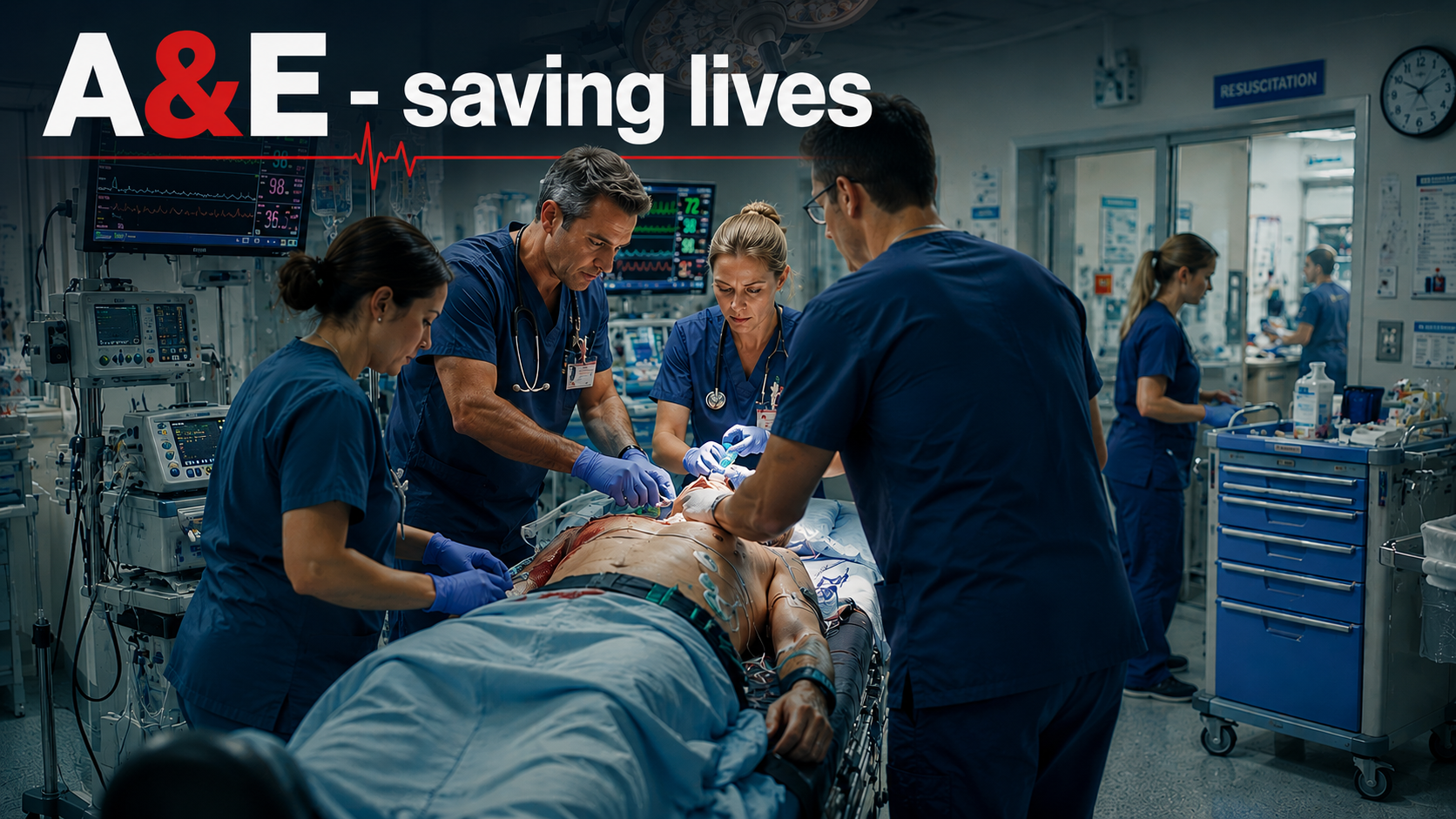
What Happens, Who You’ll See and How the NHS Emergency System Works
For many people moving to Scotland, visiting an Accident & Emergency (A&E) department can feel quite different from attending an emergency department in Germany, Austria or Switzerland.
The NHS uses a triage system, where patients are treated according to the seriousness of their condition rather than the order in which they arrive. This means someone who arrives after you may be seen first if they are more seriously ill.
This guide explains what happens from the moment you enter an A&E department until you leave, who you are likely to meet, and why waiting times can sometimes be longer than expected.
.
What Is an A&E Department?
Accident & Emergency (A&E) departments provide immediate care for serious illnesses and injuries that cannot safely wait for a GP appointment.
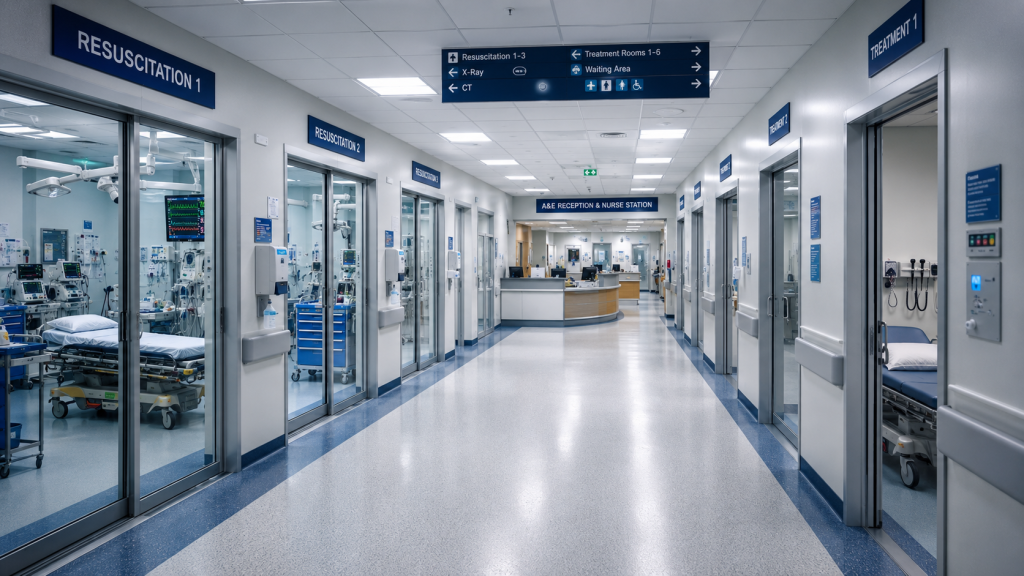
Typical reasons for attending include:
- Chest pain
- Difficulty breathing
- Broken bones
- Serious cuts requiring stitches
- Head injuries
- Severe abdominal pain
- Stroke symptoms
- Major burns
- Serious allergic reactions
- Severe infections
- Major trauma
Minor illnesses are often better treated by:
- Community Pharmacies
- GP Practices
- NHS 24
- Minor Injury Units (where available)
.
Before You Arrive
If your condition is not immediately life-threatening, you may be advised to contact:
- NHS 24 (111)
- Your GP
- Pharmacy First
- Minor Injuries Unit
For life-threatening emergencies always call 999.
.
Step 1 – Arrival
After entering the A&E department, your first stop is usually the reception desk.
The receptionist will ask for:
- Your name
- Date of birth
- Address
- GP Practice (if registered)
- Brief reason for your visit
They are not assessing your medical condition, but collecting your details so the clinical team knows who you are.
.
Step 2 – Triage
The next person you will usually meet is a Triage Nurse or an Emergency Nurse Practitioner.
This is one of the most important stages of your visit.
The nurse assesses:
- Your symptoms
- Blood pressure
- Pulse
- Temperature
- Oxygen levels
- Pain score
- Medical history
- Medications
- Allergies
The aim is to determine how urgently you need treatment but keep in mind that the triage is a constant changing assessment. Every ambulance that arrives might bring a suspected critical patient in. Every patient that arrives after you might have different issues that are more critical than your. So please calm down, keep that in mind.
.
How the Triage System Works
Unlike some hospitals in mainland Europe, patients are not treated in the order they arrive.
Instead, staff continually prioritise patients based on clinical urgency.
For example:
- A patient with chest pain may be seen immediately.
- Someone with a broken wrist may wait several hours if more urgent cases continue to arrive.
- A person with a life-threatening injury will go straight into the resuscitation area.
Although this can sometimes feel frustrating, it ensures that the sickest patients receive treatment first.
.
Waiting Times
Waiting times vary enormously.
Some patients may be seen within minutes.
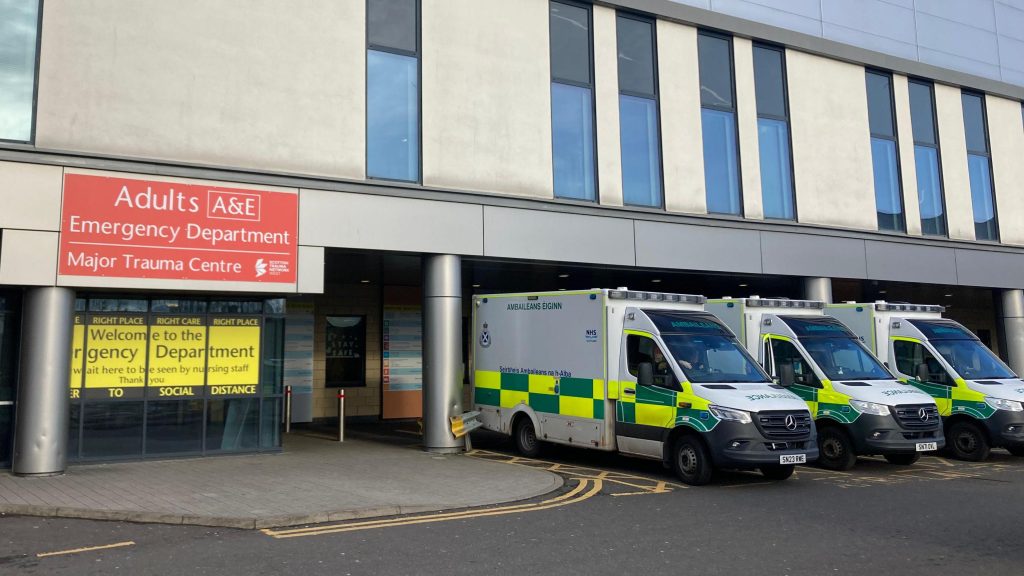
Others may wait several hours. I don’t know times of hospitals in the rest of Scotland but in the Grampian area the hospitals aim to either transfer you to a ward or send you home within four hours. Again, keep in mind, that is the aim, depending on how busy the day or night is it can be longer.
Waiting times of 7 to 8 hours are well known, especially in hospitals in bigger areas like Glasgow or Edinburgh. But even in Elgin there have been times up to 7 hours. With patients treated in ambulances while waiting to get into the A&E department.
Typical factors include:
- Number of ambulances arriving
- Availability of beds
- Staffing levels
- Seasonal illnesses
- Time of day
- Day of the week
Even after seeing a clinician, additional waits may occur for:
- Blood test results
- X-rays
- CT scans
- Specialist reviews
- Admission to a hospital ward
.
Who Might You Meet?
A&E departments are staffed by a large multidisciplinary team.

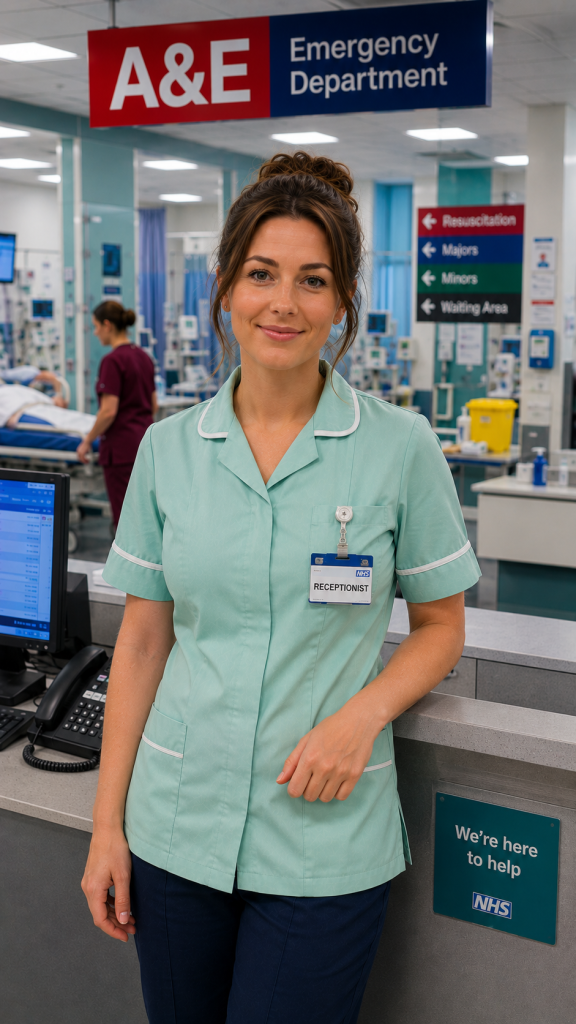
Reception Staff
Your first point of contact.
They:
- Register your visit
- Confirm your details
- Direct you to the waiting area
.
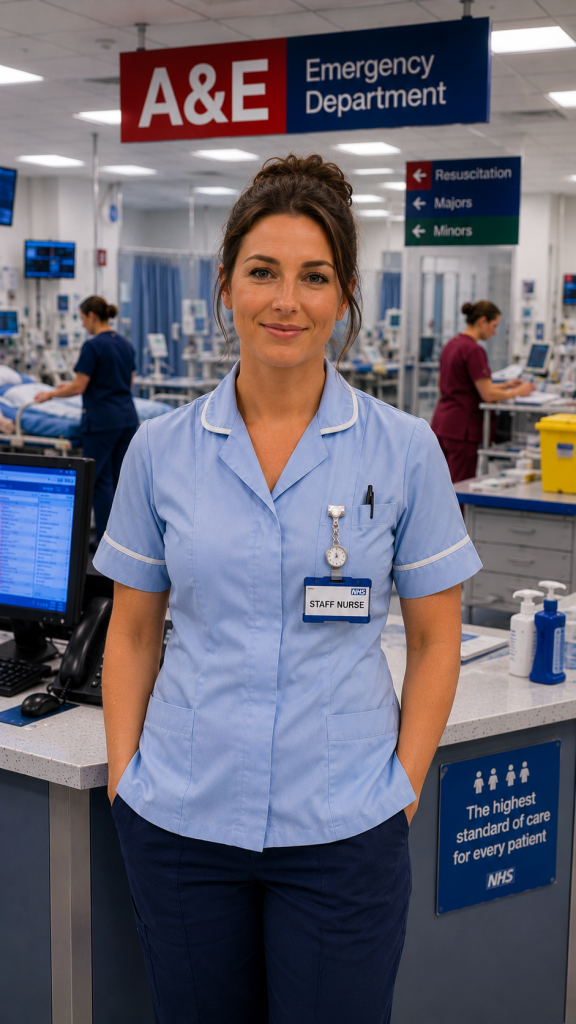
Triage Nurse
Usually your first clinical assessment.
Responsibilities include:
- Initial examination
- Observations
- Prioritisation
- Pain management
- Deciding where you should wait
.
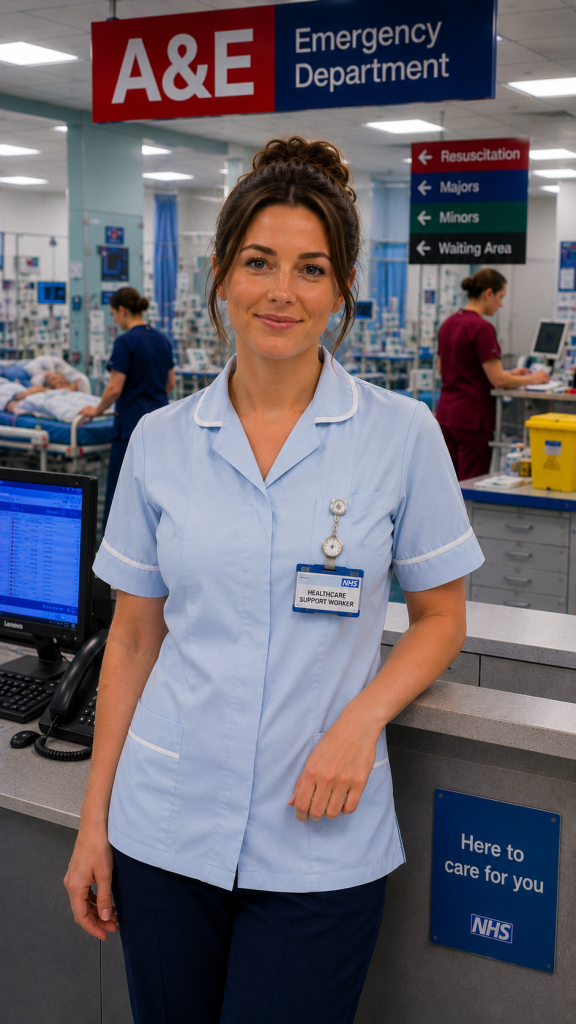
Healthcare Support Worker (HCSW)
Healthcare Support Workers assist nurses by:
- Taking blood pressure
- Measuring temperature
- Recording observations
- Assisting patients
- Performing ECGs
- Taking blood samples (in some departments)
.
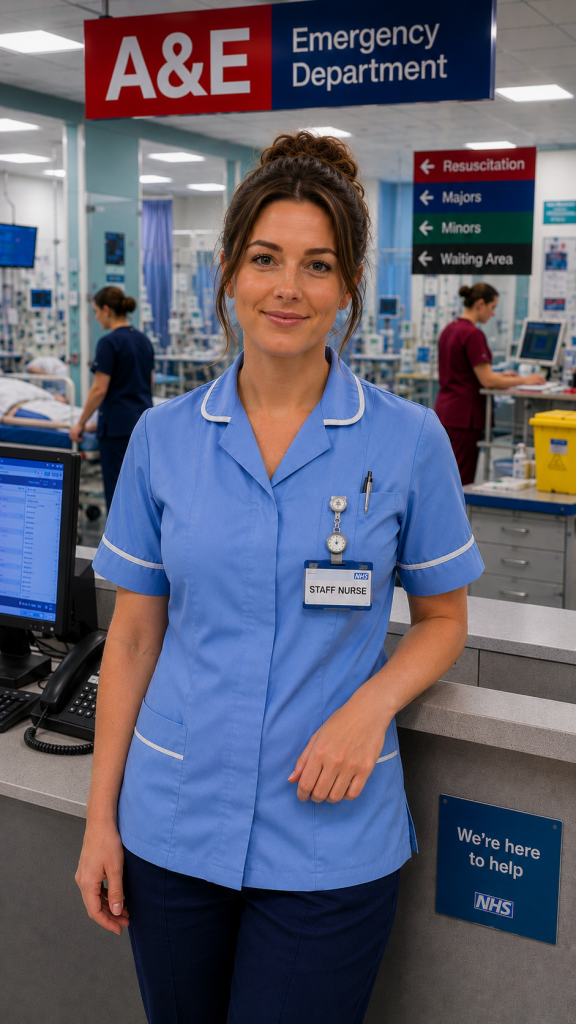
Staff Nurse
Staff Nurses provide much of the hands-on patient care.
They may:
- Administer medication
- Dress wounds
- Insert IV cannulas
- Monitor patients
- Prepare patients for procedures
- Coordinate your care
.
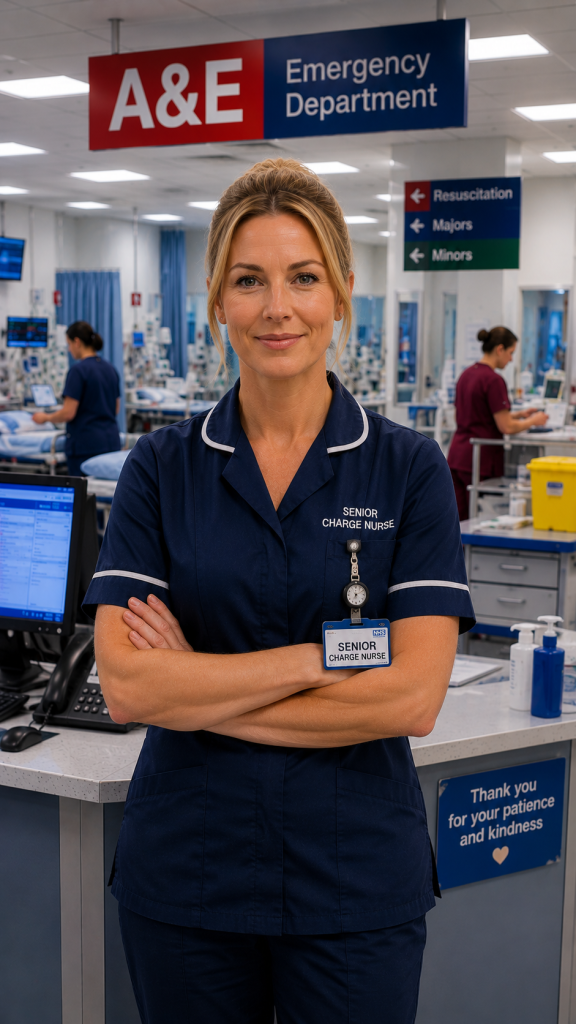
Senior Charge Nurse
The Senior Charge Nurse oversees the running of the department.
Responsibilities include:
- Patient flow
- Staff coordination
- Safety
- Escalating emergencies
.
Emergency Medical Practitioner / Advanced Practitioner
These experienced clinicians can often:
- Examine patients
- Diagnose illnesses
- Request X-rays
- Prescribe medication
- Discharge patients independently

.
Doctor
Depending on your condition, you may be seen by:
- Foundation Doctor
- Specialty Doctor
- Registrar
- Emergency Medicine Consultant
Doctors assess your condition, arrange investigations, diagnose illnesses and decide on treatm

.
Consultant
The Consultant is the senior emergency physician.
They usually become involved in:
- Serious illnesses
- Complex diagnoses
- Major trauma
- Critical care decisions
- Supervision of junior doctors

.
Allied Health Professionals
Depending on your injury, you might also meet:
- Physiotherapists
- Occupational Therapists
- Radiographers
- Speech and Language Therapists

.
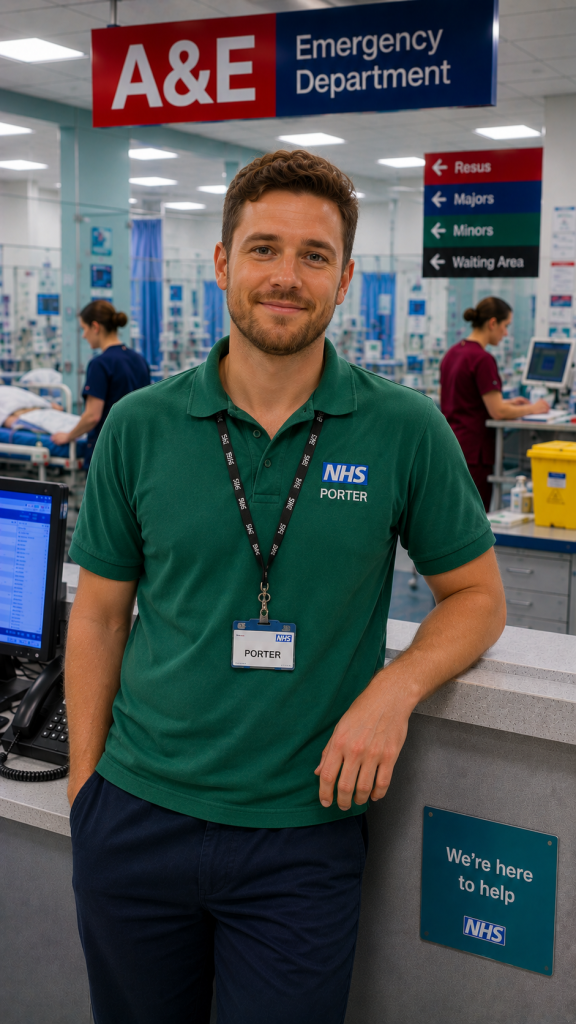
Porters
Porters transport patients safely between departments, for example to:
- X-ray
- CT scanner
- Wards
- Operating theatres
.
Investigations
Depending on your symptoms, staff may arrange:
- Blood tests
- ECG
- Urine tests
- X-rays
- Ultrasound
- CT scan
- MRI (less commonly in A&E)
Many of these investigations take time, which contributes to waiting times.
.
Treatment
Treatment may include:
- Pain relief
- Intravenous fluids
- Antibiotics
- Wound closure
- Casts or splints
- Oxygen therapy
- Observation
- Minor surgical procedures
.
Possible Outcomes
After assessment, there are several possible outcomes.
You Go Home
Many patients receive treatment and are discharged with advice.
You may also receive:
- Medication
- A prescription
- Follow-up appointments
- Advice to see your GP
.
Referral to a Specialist
Some patients require review by specialists such as:
- Orthopaedics
- Cardiology
- Surgery
- Neurology
- ENT
.
Hospital Admission
If further treatment is required, you may be admitted to a hospital ward.
Unfortunately, bed shortages sometimes mean patients remain in A&E for several hours while waiting for an inpatient bed.
.
Why Do Waiting Times Sometimes Feel So Long?
Several factors contribute:
- Large numbers of patients
- Ambulance arrivals
- Limited hospital beds
- Patients waiting for discharge from wards
- Seasonal winter pressures
- Complex investigations
Although waiting can be frustrating, the triage system is designed to ensure the sickest patients are treated first.
.
How Does This Compare with Germany, Austria and Switzerland?
Many emergency departments in Germany, Austria and Switzerland also use triage systems, particularly in larger hospitals.
However, there are some noticeable differences.
🏴 Scotland (NHS)
Advantages
➕ No charge for treatment
➕ Highly experienced emergency teams
➕ Excellent trauma care
➕ Patients prioritised by medical need
Disadvantages
➖ Longer waiting times during busy periods
➖ Bed shortages can delay admission
➖ High demand on emergency services
.
🇩🇪 Germany, 🇦🇹 Austria and 🇨🇭 Switzerland
Advantages
➕ Often shorter waiting times for non-life-threatening cases
➕ Greater availability of specialist hospitals
➕ More private healthcare capacity
Disadvantages
➖ Treatment may involve insurance paperwork or billing, depending on your cover
➖ Costs can vary depending on your healthcare system and insurance arrangements
.
Tips for Your Visit
- Bring photo identification if available.
- Take a list of your medications.
- Know your allergies.
- Bring a phone charger.
- Pack water and snacks if appropriate, as waiting times can sometimes be long.
- Be honest about your symptoms.
- Inform staff immediately if your condition worsens while waiting.
.
Final Thoughts
An A&E visit can feel stressful, especially if you’re unfamiliar with the NHS. Understanding the process can make the experience much easier. From reception and triage to treatment and discharge, every member of the emergency department team plays a vital role in ensuring patients receive safe and appropriate care.
Although waiting times can occasionally be lengthy, the NHS emergency system is designed around one simple principle: the sickest patients are treated first. This approach helps ensure that those who need urgent, life-saving treatment receive it as quickly as possible while everyone else continues to be monitored and cared for.