

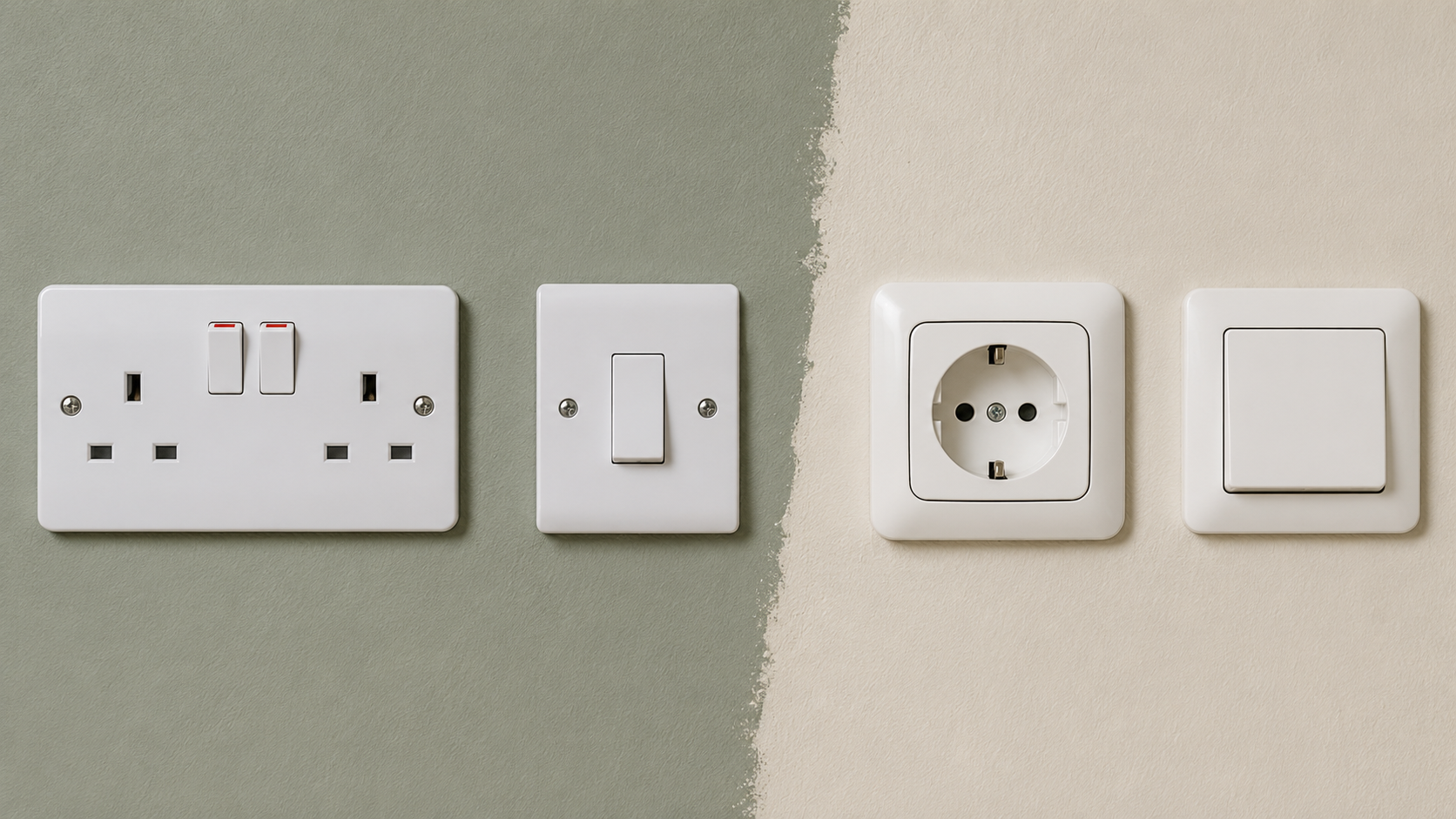
Why UK Plug Sockets Have Switches and How They Differ from Germany
One of the first things many people notice after moving to Scotland is that almost every electrical socket has its own switch. There are also USB charging sockets built directly into many walls, large kitchen appliances often have separate isolation switches, and you’ll probably search in vain for a normal power socket in the bathroom.
If you’ve moved from Germany, Austria or Switzerland, the British electrical system may seem unusual at first. However, it has evolved with a strong emphasis on safety and convenience.
In this guide, we’ll explain how UK electrical outlets work, why they’re designed this way, and how they compare with those found in German-speaking countries.
.
The British Plug (Type G)
The United Kingdom uses the Type G plug, one of the most recognisable electrical plugs in the world.
It has:
- Three rectangular pins
- Built-in fuse
- Earth connection
- Strong mechanical design
The socket supplies:
- 230 Volts
- 50 Hz AC
Although Germany, Austria and Switzerland also use 230 volts at 50 Hz, the plugs themselves are completely different.
.
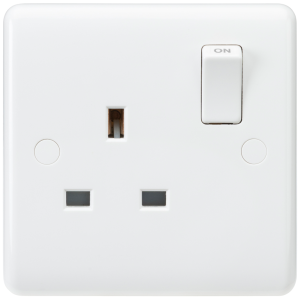
Every Socket Has Its Own Switch
Perhaps the biggest surprise for newcomers is the small switch beside nearly every wall socket.
Each socket can be:
- Turned ON
- Turned OFF
without unplugging the appliance.
When switched off:
- No power reaches the appliance.
- The plug can safely remain inserted.
This is very useful for:
- TVs
- Kettles
- Lamps
- Phone chargers
- Coffee machines
Many people simply switch the socket off when not using an appliance.
.
Why Do UK Sockets Have Switches?
The switched socket was introduced primarily as a safety feature.
Benefits include:
- Reduced electrical hazards
- Safe isolation of appliances
- Reduced wear on plugs
- Convenient switching without unplugging
- Energy savings by preventing standby power
While modern appliances use very little standby electricity, many households still switch sockets off out of habit.
.
Built-in Fuse Inside Every Plug
Unlike German plugs, every standard UK plug contains a replaceable fuse.
Common fuse ratings are:
- 3 Amp
- 5 Amp
- 13 Amp
If an appliance develops a fault, the fuse usually blows before the cable overheats.
This extra level of protection is one reason UK electrical systems have an excellent safety record.
.
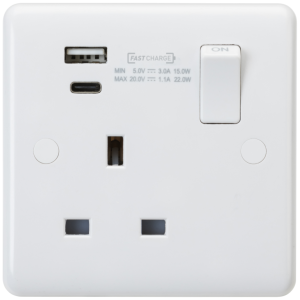
USB Charging Sockets
Many modern homes now have wall sockets with built-in USB charging ports.
These may include:
- USB-A
- USB-C
- Fast charging ports
This allows you to charge:
- Mobile phones
- Tablets
- Smart watches
- Wireless headphones
without needing a charging adapter.
These sockets are becoming increasingly common in:
- New-build homes
- Renovated properties
- Hotels
- Offices
.
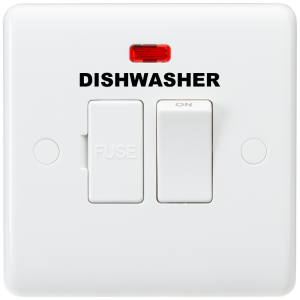
Kitchen Appliances Often Have Their Own Switches
Large kitchen appliances usually have separate isolation switches.
Examples include:
- Electric hob
- Built-in oven
- Cooker
- Dishwasher
- Washing machine
- Tumble dryer
- Extractor hood
The switch is often mounted:
- Above the worktop
- Beside the appliance
- On a nearby wall
These switches allow appliances to be disconnected without accessing the plug.
.
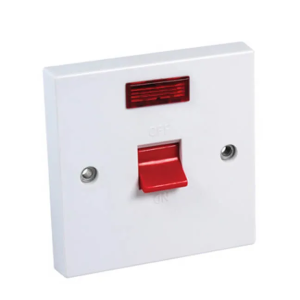
Cooker Isolator Switch
One feature that surprises many Europeans is the large red cooker switch.
Usually located above the kitchen worktop, it disconnects power to the:
- Electric hob
- Built-in cooker
- Range cooker
Some include a small neon indicator showing that power is available.
This provides a quick emergency shut-off if necessary.
.
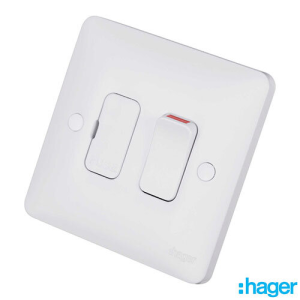
Fused Connection Units (FCUs)
Many permanently installed appliances are connected through a Fused Connection Unit, often called a spur.
These are commonly used for:
- Boilers
- Extractor fans
- Bathroom heaters
- Cooker hoods
- Outdoor lighting
The unit contains its own fuse and switch.
.
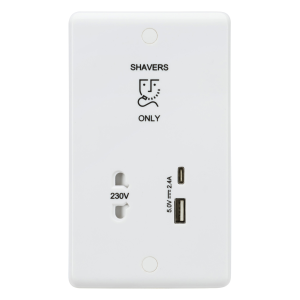
Bathroom Sockets
One of the biggest differences from Germany is that normal mains sockets are generally not installed in UK bathrooms.
This is because UK wiring regulations are particularly strict regarding electrical equipment near water.
Instead, bathrooms usually contain only:
- Electric toothbrush chargers
- Electric shaver sockets
These are special isolated sockets designed specifically for low-power grooming appliances.
You should never plug a hair dryer or kettle into a shaver socket.
.
Hair Dryers
Because normal sockets are absent, many people use:
- Hair dryers in the bedroom
- Hair dryers in the hallway
- Extension mirrors outside the bathroom
This often surprises newcomers from mainland Europe.
.
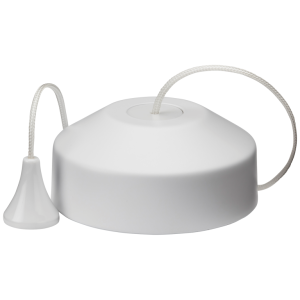
Light Switches
Another difference is the placement of bathroom light switches.
Instead of a wall switch, many bathrooms use a:
Pull cord
mounted on the ceiling.
This keeps electrical switches away from wet hands.
Newer homes may use wall switches positioned outside the bathroom.
.
Ring Main Wiring
The UK also uses a unique electrical wiring system known as the Ring Final Circuit (or ring main).
Unlike many European countries that wire sockets in radial circuits, UK sockets are often connected in a continuous loop returning to the consumer unit.
Advantages include:
- Efficient cable use
- High current capacity
- Reliable distribution
Combined with fused plugs, this provides excellent protection.
.
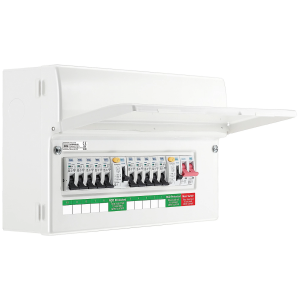
Consumer Unit (Fuse Box)
The modern fuse box is called the Consumer Unit.
It contains:
- Main switch
- Circuit breakers (MCBs)
- Residual Current Devices (RCDs)
- Surge protection (in many modern installations)
Older homes may still have older-style consumer units, although many have now been upgraded.
.
How Does This Compare with Germany, Austria and Switzerland?
United Kingdom
Advantages
➕ Switched sockets on almost every outlet
➕ Fused plugs for extra protection
➕ Cooker isolation switches
➕ Built-in USB charging sockets increasingly common
➕ Excellent electrical safety standards
Disadvantages
➖ Large plugs take up more space
➖ No normal sockets in bathrooms
➖ Separate appliance switches can initially be confusing
.
Germany, Austria and Switzerland
Advantages
➕ Smaller plugs
➕ Simple plug-and-use system
➕ Bathroom sockets are often available where permitted by local regulations and safety zones
➕ Less wall clutter from appliance isolator switches
Disadvantages
➖ No plug fuse
➖ Appliances usually remain energised unless unplugged or switched off at the appliance
➖ Fewer switched sockets
.
Common Mistakes New Immigrants Make
Many newcomers initially:
- Forget to switch the socket on.
- Think an appliance is broken when the socket is switched off.
- Wonder why the cooker won’t work because the red isolation switch is off.
- Search for a bathroom socket to plug in a hair dryer.
- Remove a plug without checking the socket switch.
Fortunately, these are usually one-time learning experiences.
.
Which System Is Better?
Both systems are extremely safe and comply with high international electrical standards.
The UK system places a strong emphasis on individual appliance isolation, with switched sockets, fused plugs and dedicated isolation switches for high-power equipment.
Germany, Austria and Switzerland favour a simpler, more streamlined approach, relying on circuit protection within the electrical installation and smaller, easier-to-handle plugs.
Neither system is inherently better. They simply reflect different engineering traditions and safety philosophies.
.
Final Thoughts
Although British electrical sockets may seem unusual at first, most people quickly appreciate their practical advantages. The ability to switch power on and off at the socket, the additional protection provided by fused plugs, and the dedicated isolation switches for kitchen appliances all contribute to one of the safest domestic electrical systems in the world.
Once you’ve spent a few weeks living in Scotland, you’ll probably find yourself automatically reaching for the socket switch before plugging in your kettle or charging your phone, and wondering why every country doesn’t do it the same way.